In recent years, the retail landscape in Nigeria has been evolving rapidly, with temporary retail spaces gaining significant attention from entrepreneurs, creatives, and established brands. Understanding pop-up shops and impact on Nigeria businesses is essential for anyone looking to explore innovative ways to reach customers, test products, or boost brand visibility without committing to permanent storefronts.
Pop-up shops and impact on Nigeria businesses go beyond mere novelty; they represent a strategic approach that offers flexibility, reduces risk, and fosters customer engagement in ways traditional retail spaces often cannot.
What Are Pop-Up Shops?
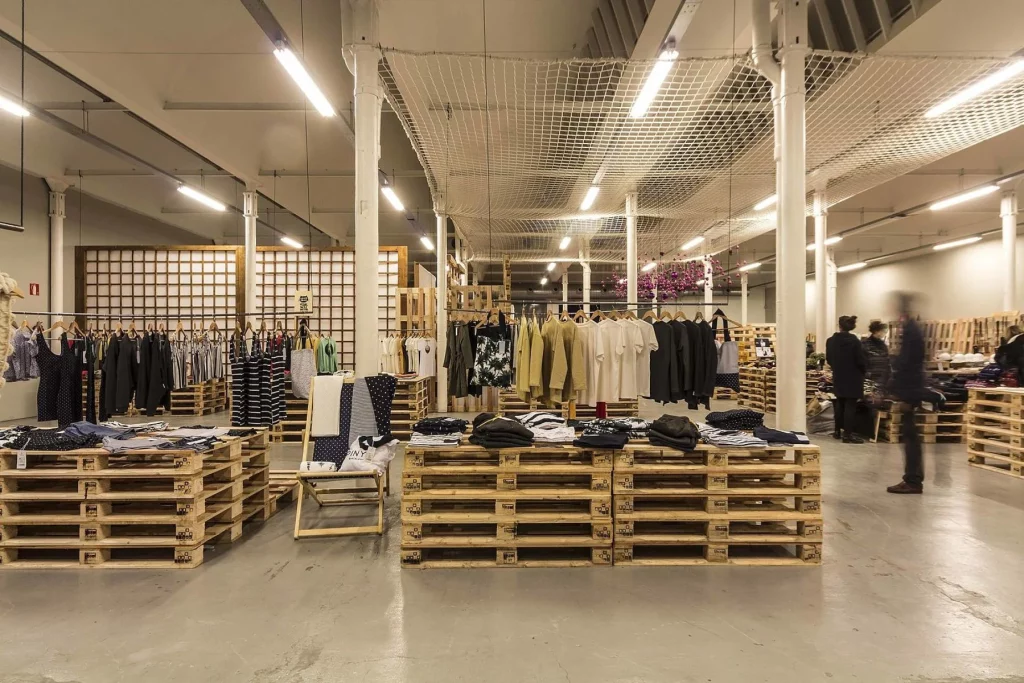
Pop-up shops are temporary retail locations designed to showcase products, launch seasonal campaigns, or test new business ideas. By studying pop-up shops and impact on Nigeria businesses, entrepreneurs can see the advantages of creating short-term experiences that attract foot traffic and generate buzz.
These spaces allow businesses to experiment with marketing strategies, store layouts, and customer engagement approaches without the long-term financial obligations of permanent retail leases. Recognizing pop-up shops and impact on Nigeria businesses provides valuable insight into why temporary retail has become a critical component of Nigeria’s entrepreneurial ecosystem.
Benefits of Pop-Up Shops
Understanding pop-up shops and impact on Nigeria businesses highlights several key benefits:
- Cost-Effective Market Entry – Short-term rentals make high-traffic areas accessible to startups.
- Brand Visibility – Pop-ups draw attention from new and existing customers.
- Customer Engagement – Direct interactions foster loyalty and feedback collection.
- Flexibility – Businesses can adjust products, design, and marketing on the fly.
- Revenue Generation – Even temporary activations can yield substantial sales.
- Brand Testing – Try new products without significant risk.
- Market Research – Understand customer preferences.
- Limited-Time Urgency – Drives faster purchasing decisions.
- Collaborative Opportunities – Partner with other brands or influencers.
- Media Exposure – Pop-ups attract press attention.
These benefits clearly demonstrate pop-up shops and impact on Nigeria businesses, emphasizing how temporary retail is more than a trend it’s a strategic tool for growth. These drivers underscore pop-up shops and impact on Nigeria businesses, reflecting a shift in the way retail operates in Nigeria.
Key Drivers Behind Pop-Up Growth
Several factors clearly illustrate pop-up shops and impact on Nigeria businesses, highlighting the reasons why temporary retail is rapidly gaining traction across the country. Urbanization, increasing consumer foot traffic, and the rise of entrepreneurial startups all contribute to the growing relevance. Several factors explain pop-up shops and impact on Nigeria businesses:
- Urbanization & High Foot Traffic – Cities like Lagos, Abuja, and Port Harcourt offer dense consumer bases.
- Entrepreneurial Growth – Small and medium enterprises increasingly seek flexible, low-risk retail options.
- E-Commerce Integration – Pop-ups complement online sales by providing a tangible brand presence.
- Event Culture – Festivals, exhibitions, and trade fairs create natural opportunities for temporary retail.
- Social Media Influence – Real-time promotion on platforms like Instagram, TikTok, and Facebook increases awareness.
- Consumer Experience Focus – Customers value engagement and interaction.
- Retail Innovation – Businesses experimenting with creative layouts.
- Low-Risk Marketing – Test concepts without permanent commitments.
- Seasonal Campaigns – Pop-ups are ideal for holidays or launches.
- Collaborative Partnerships – Co-located brands increase foot traffic.
Each factor reinforces pop-up shops and impact on Nigeria businesses, demonstrating why temporary retail is becoming a central part of Nigeria’s commerce strategy. Additionally, the integration of e-commerce with physical retail demonstrates how pop-up shops and impact on Nigeria businesses provide a flexible, low-risk method for brands to connect with their target audiences. Event-driven marketing, social media amplification, and seasonal promotions further underscore pop-up shops and impact on Nigeria businesses, showing how temporary retail can boost brand visibility and sales. By understanding these drivers, companies can leverage pop-up shops and impact on Nigeria businesses strategically, creating engaging experiences, testing new products, and gathering valuable consumer insights.
Identifying the Ideal Pop-Up Space
Selecting the right location is critical. Businesses should consider:
- High-Traffic Areas – Streets, malls, and transit hubs for maximum visibility.
- Complementary Retailers – Partnering with existing brands to share audiences.
- Event Venues – Galleries, exhibition centers, and co-working spaces for targeted exposure.
- Accessibility & Visibility – Ensure ease of entry and a smooth customer experience.
- Budget Considerations – Balance cost with projected revenue.
- Short-Term Leasing Options – Flexibility reduces financial risk.
- Permits & Legal Compliance – Avoid fines or disputes.
- Competitive Advantage – Stand out in high-demand locations.
- Scalability – Ability to expand or relocate.
- Cost-Benefit Analysis – Ensure expected revenue justifies investment.
Proper site selection underscores pop-up shops and impact on Nigeria businesses, as location plays a direct role in foot traffic, brand engagement, and sales. Understanding pop-up shops and impact on Nigeria businesses helps entrepreneurs optimize location and layout to maximize engagement and sales.
Marketing Strategies for Pop-Ups
Effective marketing is essential to maximize pop-up shops and impact on Nigeria businesses. Consider these approaches:
- Social Media Campaigns – Instagram, Facebook, TikTok promotions drive awareness.
- Influencer Partnerships – Local micro-influencers help attract targeted audiences.
- Email & SMS Marketing – Notify loyal customers about upcoming pop-ups.
- Collaborative Promotions – Work with nearby businesses or events for cross-promotion.
- Event Timing – Launch during festivals, exhibitions, or public holidays to boost visibility.
- Interactive Experiences – Workshops or demos attract attention.
- User-Generated Content – Encourage customers to post photos.
- Press Coverage – Engage local media and lifestyle blogs.
- Cross-Promotion – Partner with neighboring businesses.
- Loyalty Incentives – Reward repeat customers.
Leveraging marketing effectively illustrates pop-up shops and impact on Nigeria businesses, ensuring maximum engagement and sales during short-term activations. Ultimately, recognizing pop-up shops and impact on Nigeria businesses empowers entrepreneurs to optimize marketing, location, and design decisions, ensuring maximum impact and long-term growth in Nigeria’s competitive retail environment.
Designing Memorable Pop-Up Experiences
The design and experience of a pop-up shop directly influence pop-up shops and impact on Nigeria businesses. Consider:
- Brand-Consistent Decor – Colors, signage, and staff uniforms align with your brand identity.
- Interactive Elements – Demos, sampling, or workshops engage visitors.
- Customer Flow Optimization – Smooth browsing and checkout experience.
- Lighting & Ambience – Enhance product visibility and create inviting spaces.
- Social Media-Friendly Displays – Encourage visitors to share photos online.
- Limited-Time Promotions – Create urgency for purchases.
- Feedback Mechanisms – Collect customer insights for future improvements.
- Exclusive Products – Limited editions drive excitement and sales.
- Comfortable Spaces – Seating or lounge areas encourage longer visits.
- Staff Training – Well-informed staff enhance customer satisfaction.
Each element demonstrates pop-up shops and impact on Nigeria businesses, showing how experiential retail can strengthen brand awareness and drive revenue.
Cost-Effective Strategies
Running a pop-up doesn’t have to be expensive. To enhance pop-up shops and impact on Nigeria businesses, consider:
- Short-Term Leases – Avoid long-term commitments.
- Shared Spaces – Reduce costs by partnering with other brands.
- DIY Fixtures – Reusable, modular setups reduce expenses.
- Pre-Selling Products – Validate demand and fund inventory.
- Off-Peak Scheduling – Choose lower-cost periods for setup.
- Inadequate inventory management.
- Ineffective store design.
- Misalignment with brand identity.
- Unclear ROI expectations.
- Lack of follow-up strategies for new leads.
These strategies emphasize pop-up shops and impact on Nigeria businesses, making temporary retail accessible to startups and SMEs.
Measuring Success
Tracking performance ensures sustainable pop-up shops and impact on Nigeria businesses:
- Sales Metrics – Analyze which products perform best.
- Foot Traffic – Count visitors and track conversion rates.
- Social Media Engagement – Monitor mentions, shares, and hashtags.
- Customer Feedback – Insights for improving future activations.
- ROI Analysis – Compare costs versus revenue.
- Local Crafts Markets – Ikeja: Temporary stalls increased community engagement.
- E-Commerce Brands – Lekki & Victoria Island: Physical presence complemented online sales.
- Event-Based Retail – Festive Seasons: Boosted short-term revenue.
- Collaborative Pop-Ups – Malls: Shared spaces reduced costs and expanded reach.
- Cultural Festivals – Lagos & Ogun: Pop-ups enhanced brand storytelling and engagement.
Measuring outcomes underscores pop-up shops and impact on Nigeria businesses, allowing entrepreneurs to refine strategies for maximum growth.
Common Challenges
Entrepreneurs need to understand pop-up shops and impact on Nigeria businesses to avoid common pitfalls:
- Low-traffic locations.
- Ignoring permit or lease requirements.
- Poorly trained staff.
- Overestimating product demand.
- Insufficient marketing budget.
- Poor design or customer experience.
- Increased media and influencer involvement.
- Seasonal and event-based pop-ups becoming mainstream.
- Continuous innovation in design and consumer engagement
- Adoption of technology for customer analytics.
Addressing these challenges ensures that pop-up shops and impact on Nigeria businesses are positive and profitable.
Future Outlook
Temporary retail is set to grow in Nigeria. Understanding pop-up shops and impact on Nigeria businesses reveals:
- Increasing adoption in malls, galleries, and creative hubs.
- Integration with e-commerce for omnichannel experiences.
- Innovation in experiential design and immersive activations.
- Higher collaboration between brands and landlords.
These trends reinforce pop-up shops and impact on Nigeria businesses, making it a vital component of Nigeria’s entrepreneurial landscape.
From cost-effective market entry to enhanced customer engagement, pop-up shops and impact on Nigeria businesses is a strategic concept every entrepreneur should consider. Temporary retail allows brands to test products, experiment with marketing, and engage directly with customers while minimizing risk.
The rise of pop-up shops and impact on Nigeria businesses reflects a broader shift toward flexibility, innovation, and customer-centric experiences. Entrepreneurs who embrace this model can maximize visibility, build loyalty, and achieve measurable growth without committing to permanent storefronts.
Ultimately, understanding pop-up shops and impact on Nigeria businesses ensures businesses are well-positioned to thrive in Nigeria’s dynamic and competitive retail market.
By implementing best practices, leveraging marketing strategies, and designing engaging customer experiences, the evidence of pop-up shops and impact on Nigeria businesses continues to grow, making it one of the most effective ways to launch, scale, and sustain a business in Nigeria today.